Technical Guides
Home << News << Technical Guides << Komatsu PC200-7 vs PC200-8: Engine, Hydraulic, Maintenance and Parts DifferencesThe Komatsu PC200 series has been one of the most widely used 20-ton class excavator families in the used equipment market. The PC200-7 and PC200-8 are often compared because they look similar from the outside, but they differ in engine control, fuel system, hydraulic matching, operator comfort and maintenance requirements.
For contractors, repair workshops and spare parts buyers, the comparison is not only about which machine is stronger. It is also about which model is easier to maintain, which parts are more sensitive to fuel quality, and which replacement components should be checked carefully before ordering.
This article compares the Komatsu PC200-7 and PC200-8 from a practical repair and parts sourcing point of view.
The main difference between the Komatsu PC200-7 and PC200-8 is that the PC200-7 uses the SAA6D102E-2 engine and is generally easier to maintain, while the PC200-8 uses the SAA6D107E-1 engine with high-pressure common rail control, better fuel efficiency and more electronic diagnosis requirements. For spare parts buyers, PC200-7 and PC200-8 should not be treated as the same machine only because both belong to the PC200 family.
| Comparison Point | Komatsu PC200-7 | Komatsu PC200-8 | Parts Buyer Note |
|---|---|---|---|
| Engine | SAA6D102E-2 | SAA6D107E-1 | Engine parts should not be mixed |
| Fuel System | Earlier generation fuel system | HPCR / electronic control | PC200-8 needs cleaner fuel and stricter filter maintenance |
| Power | 107 kW / 143 HP | 110 kW / 148 HP | Similar machine class, different engine generation |
| Hydraulic Control | HydrauMind and working modes | More integrated engine-hydraulic-electronic control | Diagnose sensors, solenoids and wiring, not only pump |
| Monitor / Electronics | Simpler compared with Dash-8 | More advanced monitor and electronic diagnosis | Electrical parts need connector and serial confirmation |
| Maintenance | Easier field repair in many markets | Better efficiency but stricter maintenance | Choose parts by old part number and serial number |
Important Parts Sourcing Note: PC200-7 and PC200-8 may share some general aftermarket search terms, but engine parts, fuel system parts, controllers, wiring harnesses, monitors, hydraulic pump control parts and seal kits must be confirmed by serial number and old part number. Do not order only by “PC200” or “PC200-7/8” model name.
The Komatsu PC200-7 is widely regarded as a durable and straightforward machine. It uses the Komatsu SAA6D102E-2 engine and is known in many markets for strong digging performance, stable hydraulic response and relatively simple maintenance. For many experienced operators, the PC200-7 represents a classic Komatsu excavator: strong in working feel, more direct in operation, and easier to keep running in harsh jobsite conditions.
The PC200-8 is the next-generation machine with a more modern engine and control system. It uses the Komatsu SAA6D107E-1 engine and brings improvements in fuel control, emissions, monitor functions, cab comfort and system coordination. Compared with the PC200-7, the PC200-8 is more electronic, more refined and more sensitive to maintenance quality.
In simple terms, the PC200-7 is often favored for reliability and easier field repair, while the PC200-8 is designed for better efficiency, lower emissions and improved operator comfort.
One of the biggest changes from the PC200-7 to the PC200-8 is the engine and fuel injection system.
The PC200-7 is powered by the Komatsu SAA6D102E-2 engine. It is a turbocharged diesel engine widely used in Komatsu excavator applications. Many operators like this engine because it has a direct and strong working feel, and its fuel system is generally considered easier to maintain than newer electronic systems.
The PC200-8 uses the Komatsu SAA6D107E-1 engine. Compared with the PC200-7 engine generation, the PC200-8 engine adopts more advanced fuel injection control, including high-pressure common rail and electronic control logic. This helps improve fuel economy, reduce emissions and match engine output more precisely with the hydraulic system.
However, this improvement also changes the maintenance logic. The PC200-8 fuel system requires cleaner fuel, better filter maintenance and more accurate diagnosis. Injectors, sensors, wiring, fuel pumps and electronic control components can become more important in troubleshooting. In markets where fuel quality varies greatly, this is one reason why some experienced operators still prefer the PC200-7.
Practical note: The PC200-8 is not a poor machine. It simply requires a more disciplined maintenance routine. When clean fuel, correct filters and proper diagnostics are available, the PC200-8 can provide better efficiency and smoother operation.
Both PC200-7 and PC200-8 are designed for general excavation, loading, trenching and construction work. The difference is not simply “old hydraulic” versus “new hydraulic.” The real difference is how the engine, pump, valve and electronic control system work together.
The PC200-7 is known for stable hydraulic response and strong working force. Many operators describe it as direct and powerful, especially in earthmoving and loading work. It is also appreciated in harsh jobsite environments because the control system is less complicated than later models.
The PC200-8 places more emphasis on system coordination. Its engine controller, hydraulic system controller, main pump and proportional control components work together to match power demand and fuel efficiency. This brings smoother operation and better fuel management, but it also means that electrical and hydraulic faults may overlap during diagnosis.
For example, when a PC200-8 shows weak movement, slow response or abnormal hydraulic behavior, the problem may not be limited to the pump itself. Solenoid valves, sensors, wiring harnesses, hydraulic controllers and main pump control signals may all need inspection. For repair buyers, this means parts identification should be based on the machine serial number, old part number and actual test result, not only the machine model.
The PC200-7 cab is practical and easy to operate. The control layout is simple, and operators who are familiar with older Komatsu machines can adapt quickly. Some operators mention that the seat comfort and control lever feel may not be as refined as newer machines, but the machine gives a strong and stable working impression.
The PC200-8 improves the operator environment. It typically offers a more modern monitor, improved cab noise control, better vibration isolation and more refined operation modes. For long working hours, this comfort improvement can matter. The monitor also provides more machine information, which helps maintenance when the operator or technician knows how to read the warnings correctly.
For buyers of used excavators, the cab and monitor condition can also indicate how the machine was maintained. A clean monitor panel, intact wiring, responsive switches and stable engine speed control are useful signs during inspection.
The PC200-7 remains popular in the used market because many workshops understand it well. Parts are widely available, and many faults can be diagnosed with mechanical and hydraulic experience. In areas where jobsite repair must be fast and simple, this is a major advantage.
The PC200-8 can offer lower fuel consumption and better emissions performance, but its repair cost can be higher when the electronic fuel system, injectors, sensors or control components fail. A small issue in fuel cleanliness or wiring may lead to symptoms that look like engine or hydraulic failure.
For fleet owners, the best choice depends on working conditions. If the machine works in a remote quarry, mountain jobsite or market with unstable fuel quality, the PC200-7 may be easier to keep productive. If the machine works in a more controlled environment with better fuel, regular filter replacement and access to diagnostic support, the PC200-8 can be a good choice.
For both models, several repair areas deserve attention during inspection and parts sourcing.
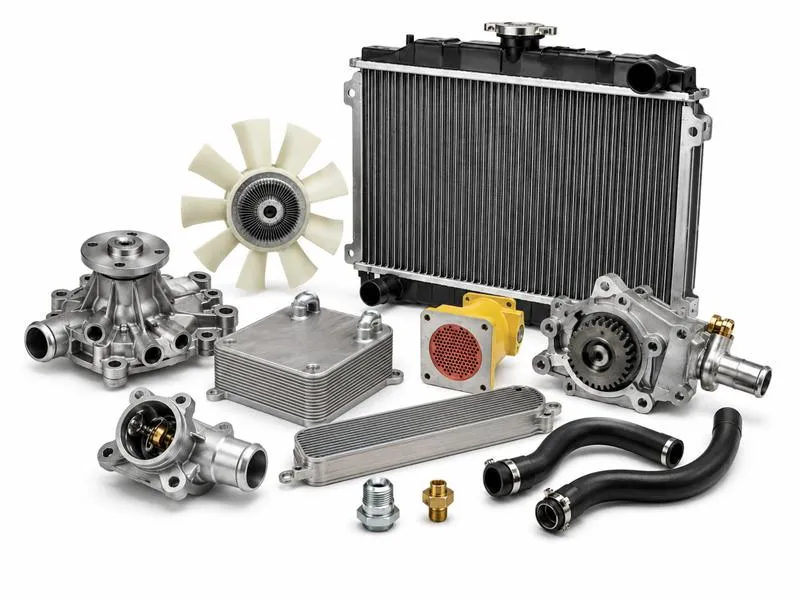
Engine cooling parts should be checked regularly. Fan blades, water pumps, radiators, hoses and oil coolers affect engine temperature. Overheating can damage the engine and shorten component life.
Fuel system parts are especially important on the PC200-8. Fuel transfer pumps, injectors, filters, sensors and fuel lines should be selected carefully. A visually similar fuel pump or injector may not be correct if the voltage, connector or engine configuration is different.
Hydraulic parts are another major area. Main pumps, gear pumps, solenoid valves, pilot valves, hydraulic hoses and seal kits should be identified by part number and machine configuration. The PC200-8 uses more electronic control in hydraulic matching, so solenoid valve and wiring checks become more important.
Cylinder leakage and boom drop are also common repair topics. When the boom or arm drops too quickly, the cause may include hydraulic oil condition, cylinder seal leakage, safety relief valve seal damage, main control valve leakage, spool wear or internal cylinder damage. In some repair cases, the boom cylinder itself is suspected first, but the real problem may also come from the valve block or regeneration check valve.
Boom drop is one of the common complaints on older excavators, including PC200-7 and PC220-7 series machines. The symptom may appear as normal operation when cold, but faster boom or arm drop after the hydraulic oil warms up.
A basic diagnostic path usually includes:
checking hydraulic oil condition and temperature behavior;
testing boom cylinder internal leakage;
checking overload relief valve seals;
inspecting main control valve leakage;
checking pump pressure and pilot pressure;
inspecting the return filter for metal particles;
confirming whether the fault changes during combined boom and arm operation.
If the cylinder seal is damaged, replacing the boom cylinder seal kit may solve the issue. If the main control valve or BOOM spool area has internal leakage, replacing only the cylinder seal may not fix the problem. This is why good photos, pressure data and machine symptoms are important before parts are quoted.
For parts buyers, the key point is simple: do not buy only by machine model. PC200-7, PC200LC-7, PC220-7 and regional variants may use different cylinders, valves or hydraulic lines. The old part number, serial number and dimensions should be checked whenever possible.
When sourcing Komatsu spare parts for PC200-7 or PC200-8, the safest method is to combine four checks:
machine model;
machine serial number;
old part number;
physical comparison photos.
For engine parts, confirm the engine model first. PC200-7 and PC200-8 do not use the same engine generation, so engine parts should not be mixed only because both machines belong to the PC200 family.
For hydraulic pump parts, confirm pump tag, mounting position, control valve connection and solenoid layout. PC200-8 main pump control can involve additional proportional valves and electronic signals, so the valve count and connector type should be checked.
For seal kits, confirm cylinder type, rod diameter, bore size and machine serial number. Boom cylinder seal kits, arm cylinder seal kits and bucket cylinder seal kits may look similar in product names but differ in dimensions.
For electrical parts, confirm connector shape, voltage and wiring. Controllers, monitors, throttle motors, solenoid valves and sensors are especially sensitive to incorrect selection.
For more Komatsu repair parts, buyers can also check our Komatsu PC200 excavator parts page and Komatsu machinery spare parts category. If the old part number or serial number is unclear, please refer to our guide on how to identify Komatsu parts by part number and serial number before ordering.
There is no single answer.
The PC200-7 is better for buyers who value durability, easier maintenance and simpler repair. It is a strong choice for used equipment markets where fuel quality, repair tools or diagnostic support may be limited.
The PC200-8 is better for buyers who need improved fuel efficiency, lower emissions, better cab comfort and more modern control features. It is also suitable when the owner has access to proper maintenance, clean fuel and reliable parts support.
A well-maintained PC200-8 can be more efficient and comfortable. A poorly maintained PC200-8 can become expensive to diagnose. A well-kept PC200-7 may still deliver strong productivity even after many years of use.
The main difference is the engine generation and control system. The PC200-7 uses the SAA6D102E-2 engine and is usually easier to maintain in many used equipment markets. The PC200-8 uses the SAA6D107E-1 engine with high-pressure common rail and more electronic control, giving better efficiency but requiring stricter maintenance and diagnosis.
They should not be treated as interchangeable by default. PC200-7 and PC200-8 use different engine generations, so engine parts must be confirmed by engine model, old part number, machine serial number and physical comparison photos before ordering.
The PC200-7 is popular because many repair workshops are familiar with it, parts are widely available, and many problems can be diagnosed through mechanical and hydraulic inspection. For remote jobsites or markets with limited diagnostic support, this can be a practical advantage.
The PC200-8 has more electronic control in the engine and hydraulic system. When fuel quality, injectors, sensors, wiring harnesses, controllers or proportional valves cause problems, diagnosis may require more time and better testing support than older machines.
Before ordering parts, provide the machine model, machine serial number, old part number and clear photos of the removed part. For electrical parts, also confirm connector shape and voltage. For hydraulic parts, confirm pump tag, valve layout, cylinder dimensions or seal kit size whenever possible.
The change from PC200-7 to PC200-8 is not only a model upgrade. It reflects a broader change in excavator design: from simpler mechanical and hydraulic systems toward electronically controlled engines, proportional valves, sensors and integrated machine control.
For maintenance teams and parts buyers, this means the repair process must also change. Older machines often need mechanical inspection and hydraulic pressure testing. Newer machines need those checks too, but they also require attention to fuel quality, wiring, sensors and controller signals.
Topvelsun supplies replacement parts for excavator engine, hydraulic, electrical, cooling and undercarriage repair needs. For Komatsu PC200-7 and PC200-8 parts inquiries, buyers can send the machine model, serial number, old part number and clear photos of the removed part. This helps reduce wrong orders and supports faster parts confirmation.
If you are not sure whether a part fits PC200-7 or PC200-8, send photos of the old part, nameplate, connector, mounting position and machine serial number. Our team can help check the replacement direction before quotation.
Tel.: +86 20 3203 3683
Mobile: +86 13129352980 or 13826060208
E-mail: VLS09@topvelsun.com
Address: SHOP 101,BUILDING A,NO.141,ZHUCUN EAST RING ROAD,TIANHE DISTRICT,GUANGZHOU
Copyright © Guangzhou Topvelsun Machinery Equipment Co., Ltd. All Rights Reserved. |
Sitemap | Technical Support 
Tel.: +86 20 3203 3683
E-mail: VLS09@topvelsun.com