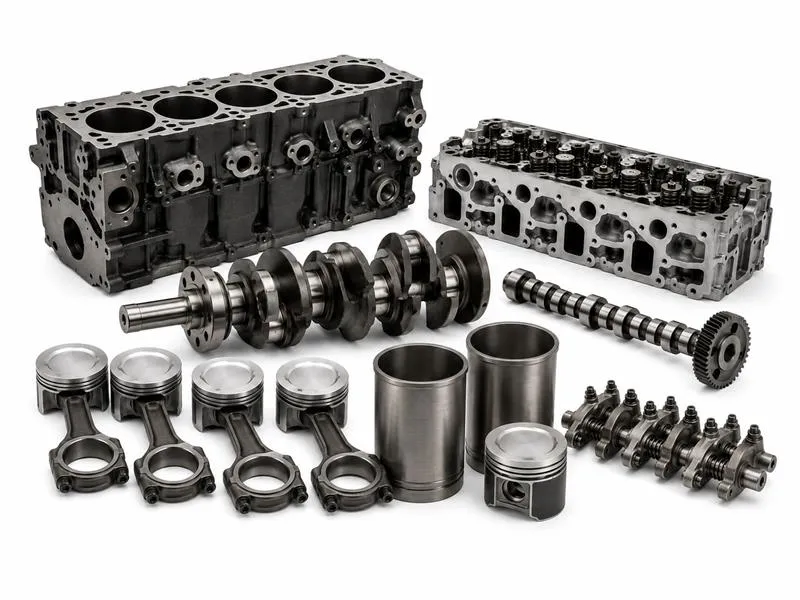
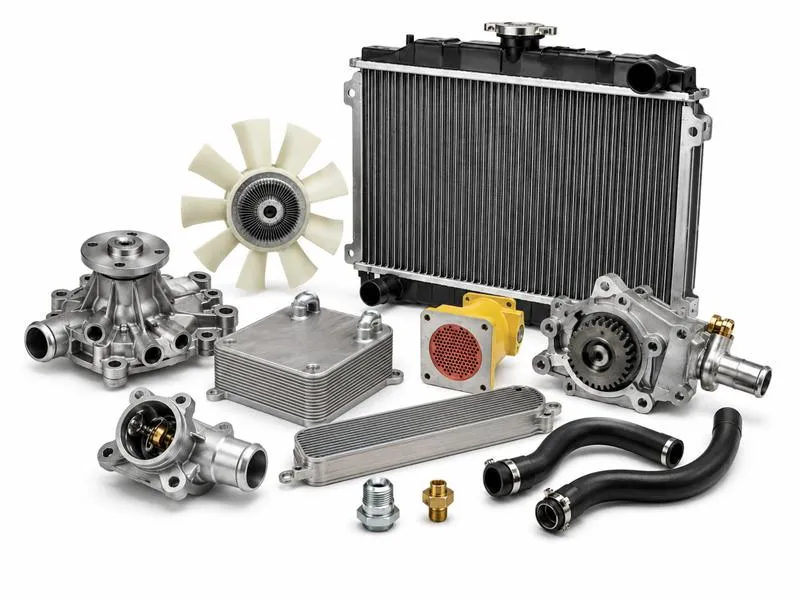
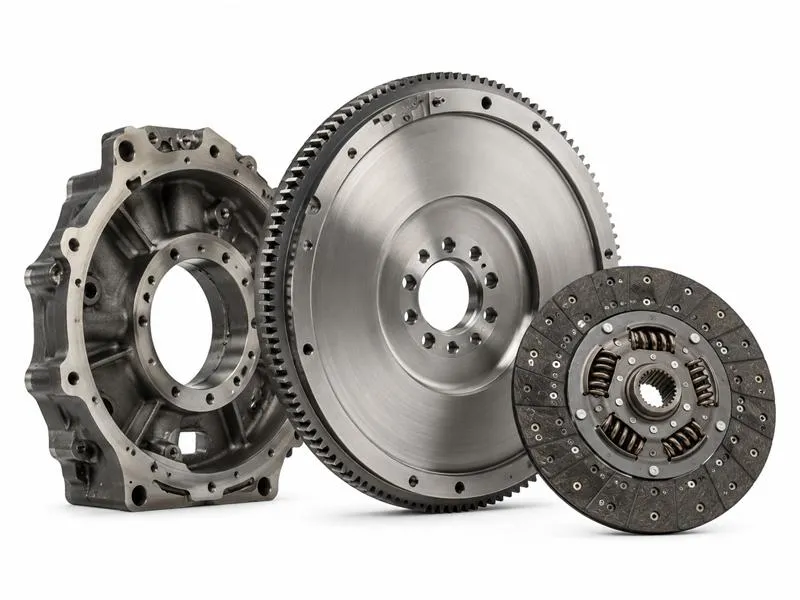
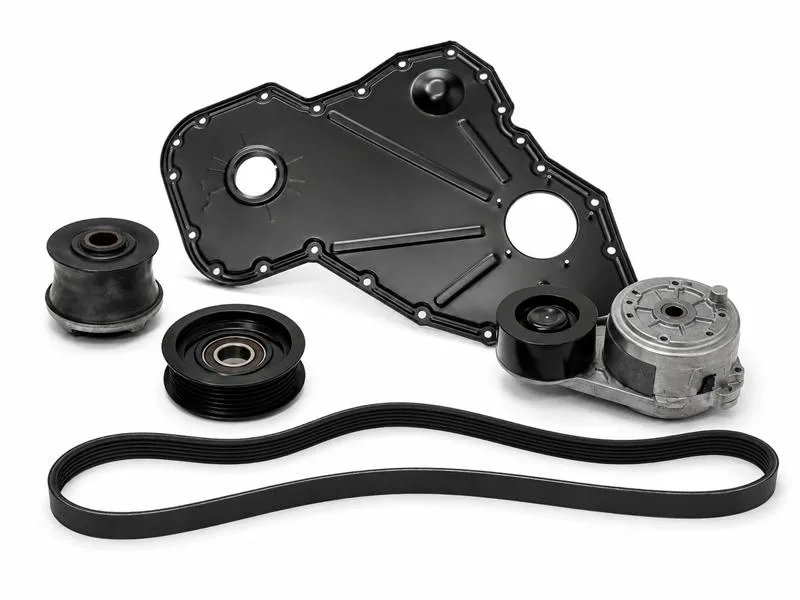
Heavy Equipment are built from thousands of components. Each component has a unique code—we call it the part number.And each machine has its own identity—we call it the serial number.If you only use a description like “hydraulic pump for PC200,” you will eventually order the wrong part.If you use part number + serial number together, you drastically reduce mistakes and delays. Ordering Komatsu equipment spare parts should be simple—until a “Komatsu PC200” has multiple production changes, the same component comes in different revisions.
Ordering Komatsu equipment spare parts should be simple—until a “Komatsu PC200” has multiple production changes, the same component comes in different revisions.Let's illustrate with the classic PC200 Komatsu.
Komatsu PC200-8 is a ~20-ton class crawler hydraulic excavator. The model name itself already tells you a lot.
What each part means
PC: Komatsu’s model prefix for crawler hydraulic excavators (you’ll often see PW for wheeled excavators, WA for wheel loaders, D for dozers, etc.).
200: the size/class indicator. “200” typically refers to the 20-ton class (real operating weight usually varies by configuration).
-8: the series generation (dash number). A higher dash number usually means newer updates in hydraulics, electronics, cab, emissions configuration, and parts design.
Why this matters:
Because “PC200” alone is not enough. A PC200-6, PC200-7, and PC200-8 can use very different pumps, sensors, wiring harnesses, valves, and engine parts.
The fastest and most accurate way to obtain the right parts is to use both:
the Komatsu part number (what the part is), and machine serial number (which version of the machine you have).
Quick rule: A part number identifies the part. A serial number identifies the machine configuration the part must fit.
Think of it like this:
A part number identifies the exact component design.
A serial number tells us the machine’s build range and configuration. Komatsu catalogs often contain serial number breaks, meaning:
Part A fits machines up to a certain serial number
Part B fits machines from a certain serial number onward
Some parts also change by options (boom length, valve arrangement, emissions version, region)
If you want to obtain the required components as soon as possible, then at the very least, you should provide both of these items to the supplier simultaneously.Want a practical checklist to avoid wrong-fit orders? See our wrong-fit avoidance tips.
In daily component work - component manuals, price lists, service announcements, purchase orders, inventory management - Capmas components are always referenced by their part numbers to ensure accuracy.
And the part numbers may change in the following situations:
Komatsu Company has improved this machine
The supplier has made changes to the purchased components.
Some have been replaced (the old numbers have been replaced by new ones)
The emission version will change the engine/fuel/electrical design
And for economic reasons, the part numbers of the replacement parts to be adopted are not the same as the original factory part numbers (OEM parts or replacement parts)
Many Komatsu part numbers are 10-digit numeric (often displayed with hyphens).
Hyphens matter because they help keep the structure readable and reduce typing mistakes.
From a broad classification view, Komatsu parts are often grouped into:
Komatsu-designed parts (undercarriage, engine parts, structural parts)
KES standard parts (standardized parts used across models)
Purchased parts (sourced from other manufacturers)
A common practical rule many parts teams use: the first digit often hints the major category:
| First Digit | Quick Category Hint |
|---|---|
| 1 | Dozers |
| 2 | Excavators / graders / rollers (heavy equipment group) |
| 3 | Forklifts |
| 4 | Wheel loaders / snow vehicles |
| 5 | Dump trucks |
| 6 | Engine |
| 7 | Hydraulics / electrical |
| 8 | Pumps |
⚠️Note: This is a helpful “at-a-glance” guide, but the final confirmation should always come from the parts catalog matched to your serial number.
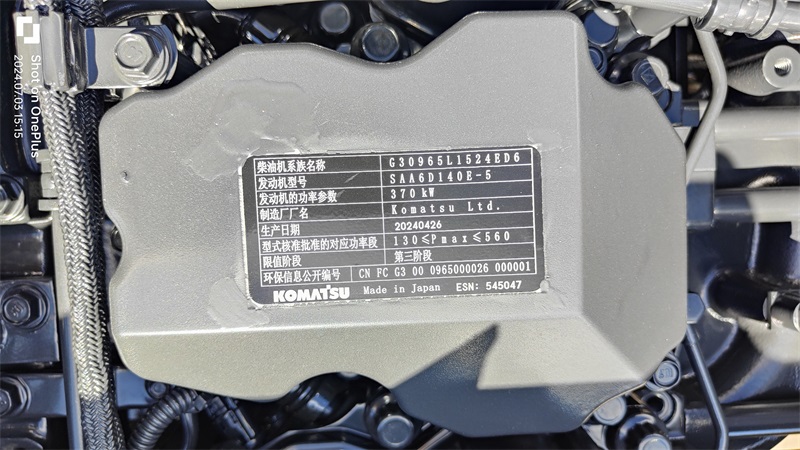
For engine-related parts, Komatsu identification often becomes faster if you also provide the engine model code, not only the machine model.
Common examples:
SA6D102E-1
4D95L-W-1
SA6D170-B-1
S: turbocharged (with turbocharger)
Aftercooler:
A: water-cooled aftercooler
AA: air-to-air aftercooler
Cylinder count: 4 / 6
Layout / cooling type:
D: inline, 4-stroke, water-cooled
V: V-type, 4-stroke, water-cooled
Bore / size series: 95 / 102 / 170 (varies by engine family)
Emissions / environmental type: varies by series
Modification number: revision
Stroke indicator:
L: long stroke
S: short stroke
Combustion chamber type: sometimes noted (e.g., swirl/whirl)
Power class: A / B / C …
Why this matters:
Two “PC200” machines may use different injector types, turbos, harnesses, or gasket sets depending on the engine variant and revision.
Use the part number to identify the component, and use the machine serial number to confirm the correct fitment range (serial breaks, options, revisions).
Because the same model can have different configurations over time. Komatsu catalogs often split parts by serial number range, so S/N is the fastest way to avoid wrong orders.
On the part itself (stamped/engraved/label), on the packaging label, or in the Komatsu parts catalog matched to your model and serial number.
That’s a supersession. Use the catalog’s “replaced by / use instead” part number (usually the newest valid number).
Highly recommended. Turbo/aftercooler type, bore series, revision, and emissions configuration can change injectors, turbos, wiring harnesses, gaskets, and rebuild kits.
Next step: Once you’ve confirmed the correct part number and serial range, see our guide onbuying Komatsu parts online (supplier checks, shipping, authenticity, and common traps).
Tel.: +86 20 3203 3683
Mobile: +86 13129352980 or 13826060208
E-mail: VLS09@topvelsun.com
Address: SHOP 101,BUILDING A,NO.141,ZHUCUN EAST RING ROAD,TIANHE DISTRICT,GUANGZHOU
Copyright © Guangzhou Topvelsun Machinery Equipment Co., Ltd. All Rights Reserved. |
Sitemap | Technical Support 
Tel.: +86 20 3203 3683
E-mail: VLS09@topvelsun.com